Miasto
PL
✓ 50/100
Houston
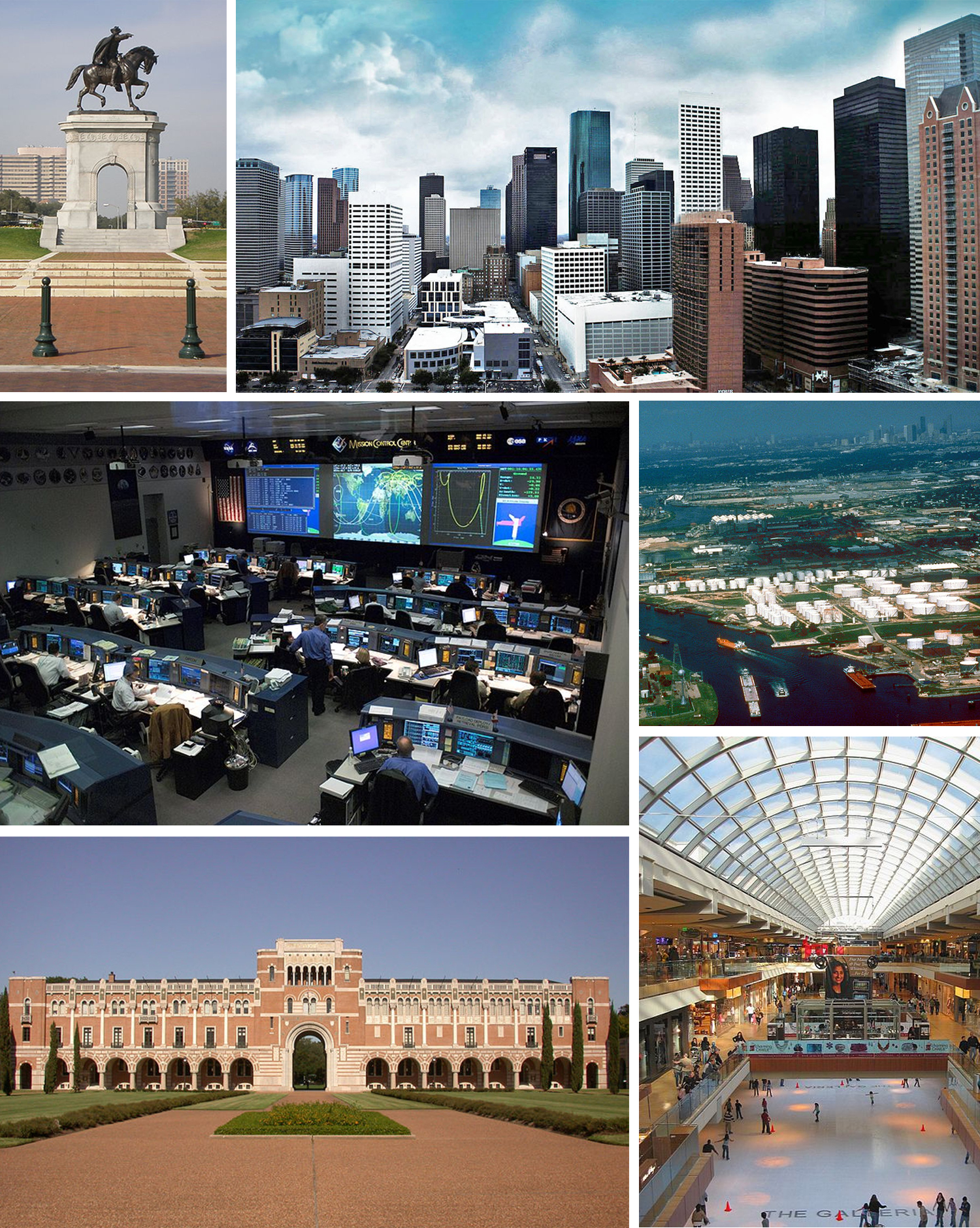
Houston, the largest city in Texas and the fourth-largest in the U.S., is a global hub for energy, aerospace, and healthcare. Founded in 1836, it has a population of 2.3 million and is home to NASA's Johnson Space Center.
Populacja: NaNZałożenie: 1836Region: Harris County, Texas
21
Mention Score
10
News Impact
50%
Trust Level
# Houston: The Global Energy and Space Capital of Texas
## Introduction
Houston, the largest city in Texas and the fourth-largest in the United States, is a major global hub for energy, aerospace, healthcare, and international trade. Founded in 1836, it has a population of approximately 2.3 million residents and serves as the seat of Harris County. The city's economy is anchored by the Port of Houston, which is the leading port in the U.S. for waterborne foreign tonnage, and it is home to the world's largest concentration of healthcare and research institutions at the Texas Medical Center.
## History
Houston's origins trace back to 1836 when Augustus Chapman Allen and John Kirby Allen purchased 6,642 acres of land along Buffalo Bayou. The city was officially incorporated on June 5, 1837, named after General Sam Houston, the first president of the Republic of Texas. Key historical milestones include:
- **1837**: Houston became the temporary capital of the Republic of Texas and the county seat of Harrisburg (now Harris County).
- **1900**: The devastating Galveston hurricane accelerated development of the Port of Houston.
- **1901**: The Spindletop oil discovery launched Texas's petroleum industry.
- **1914**: The Port of Houston opened, becoming a major international shipping hub.
- **1960s-1970s**: The city experienced rapid growth due to the oil boom and aerospace industry expansion.
## Geography
Houston spans 1,700 km² (656 sq mi), with 1,642 km² (633 sq mi) of land and 58 km² (22 sq mi) of water. The city lies on a flat coastal plain with elevations ranging from 15 meters (49 ft) at the downtown center to 38 meters (125 ft) in its northern sections. Major waterways include Buffalo Bayou, White Oak Bayou, Braes Bayou, and Sims Bayou. The region's geology features poorly consolidated sediments and oil-bearing strata, with the potential for minor seismic activity due to fault lines like the Long Point–Eureka Heights fault system.
## Demographics
As of the 2020 census, Houston's population is 2,304,580, making it the most ethnically diverse major U.S. city. Key demographic highlights:
- **Race/Ethnicity**: 51% White, 26% Hispanic or Latino, 24% Black or African American, 6% Asian, 0.7% Native American, and 15.2% of other or mixed races.
- **Foreign-Born Residents**: 21.4% of the population, with significant communities from Mexico, Asia, and the Middle East.
- **Median Income**: $40,000 for households, with 16% living below the poverty line.
## Economy
Houston's economy is dominated by energy (oil and gas), aerospace (NASA's Johnson Space Center), and healthcare. The city's GDP of $385 billion (2010) ranks it among the world's top 25 economies. Key sectors include:
- **Energy**: Home to 95% of the U.S. oil and gas industry headquarters.
- **Aerospace**: Headquarters for 25 Fortune 500 companies, including NASA's Mission Control.
- **Healthcare**: Texas Medical Center is the world's largest medical complex, employing 73,000 people.
- **Port of Houston**: Handles 200 million tons of cargo annually, driving international trade.
## Culture and Tourism
Houston is a multicultural city with a vibrant arts scene and diverse culinary offerings. Major attractions include:
- **Theater District**: Home to 9 performing arts venues, including the Houston Grand Opera and Houston Ballet.
- **Museums**: The Museum District features 19 institutions, including the Museum of Fine Arts and the Space Center Houston.
- **Festivals**: Annual events like the Houston Livestock Show and Rodeo, Pride Parade, and Art Car Parade draw millions.
- **Sports**: Home to professional teams in MLB (Astros), NBA (Rockets), NFL (Texans), MLS (Dynamo), and WNBA ( Comets).
## Transportation
Houston's transportation network includes:
- **Roads**: A 1,200 km (750 mi) system of highways and freeways, including the 610 Loop and Grand Parkway.
- **Public Transit**: METRO operates buses, light rail (Red Line), and paratransit services.
- **Airports**: George Bush Intercontinental Airport (IAH) and William P. Hobby Airport (HOU).
- **Cycling**: Over 160 km (100 mi) of bike lanes and the B-Cycle bike-sharing program.
## Notable Facts
- Houston is the most air-conditioned city in the U.S., with 71% of homes equipped with central AC.
- It has the highest concentration of Fortune 500 company headquarters outside New York City.
- The city is known as "Space City" due to NASA's presence and the Johnson Space Center.
- Houston is the only major U.S. city without formal zoning laws, leading to unique urban development patterns.
## Conclusion
Houston's dynamic economy, cultural diversity, and strategic location make it a pivotal city in Texas and the world. From its origins as a frontier settlement to its current status as a global energy and aerospace hub, Houston continues to evolve as a center of innovation and opportunity.
Mapa Powiązań
Neural_Network // Co-Mentioned_Entities
| Podmiot | Typ | Siła powiązania |
|---|---|---|
| Tommy Paul | person | 6× |
| Roman Andres Burruchaga | person | 5× |
| Houston Rockets | team | 5× |
| ATP | organization | 4× |
| Frances Tiafoe | person | 3× |
| ATP 250 | organization | 3× |
| Ben Shelton | person | 3× |
| Los Angeles Lakers | team | 3× |
Najnowsze Wzmianki
Live_Feed // 10 artykułów









>_ Houston
Miasto // Entity_Profile
Miasto // Entity_Profile
[DATA] Houston, the largest city in Texas and the fourth-largest in the U.S., is a global hub for energy, aerospace, and healthcare. Founded in 1836, it has a population of 2.3 million and is home to NASA's Johnson Space Center.
[METRICS] Encja posiada 21 wzmianek w bazie oraz 10 powiązanych artykułów. Trust Score: 50/100.
Wersja statyczna dla wyszukiwarek. Pełna wersja interaktywna z grafiką dostępna po włączeniu JavaScript.