S
Organizacja
PL
✓ 50/100
South Pars Gas Field
The South Pars/North Dome gas field is the world's largest natural gas condensate field, shared between Iran and Qatar in the Persian Gulf, with estimated reserves of 1,800 trillion cubic feet of natural gas.
Region: Persian Gulf
1
Mention Score
1
News Impact
50%
Trust Level
# South Pars/North Dome Gas Field
The South Pars/North Dome field represents the world's largest natural gas condensate field, spanning the maritime border between Iran and Qatar in the Persian Gulf. This massive hydrocarbon reservoir has shaped the energy policies, economies, and geopolitical relationships of both nations since its discovery.
## Geographic and Geological Overview
The field covers an extensive area of 9,700 square kilometers, with 3,700 square kilometers (South Pars) located in Iranian territorial waters and 6,000 square kilometers (North Dome) in Qatari territorial waters. The field lies approximately 3,000 meters below the seabed at a water depth of 65 meters.
Geologically, the field consists of two independent gas-bearing formations: the Kangan Formation (Triassic) and the Upper Dalan Formation (Permian). These formations are divided into four distinct reservoir layers (K1, K2, K3, and K4), separated by impermeable barriers. The K2 and K4 units serve as the primary gas reservoirs, comprising limestone and dolomite formations.
## Resource Magnitude
According to the International Energy Agency, the field contains an estimated 1,800 trillion cubic feet of in-situ natural gas and approximately 50 billion barrels of natural gas condensates. This represents almost as much recoverable reserves as all other natural gas fields combined globally. The field's significance cannot be overstated - it contains roughly 8% of the world's total natural gas reserves.
## Development History
The development of the field has followed distinctly different paths for Iran and Qatar. Qatar, with fewer international restrictions, has developed its portion (North Dome) extensively since the 1980s, establishing itself as the world's leading liquefied natural gas (LNG) exporter. Iran's development of South Pars has been more gradual, hampered by technological limitations and international sanctions.
## Economic Impact
For Qatar, the North Dome field has been transformative. As of early 2026, Qatar produces approximately 18.5 billion cubic feet per day from the field, accounting for around 80% of Qatari government revenues and supplying approximately 20% of global LNG demand. The field has enabled Qatar to become one of the world's wealthiest nations per capita.
Iran's production from South Pars has been significantly lower, estimated at around 2 billion cubic feet per day as of early 2026. This disparity has created economic and strategic imbalances between the two countries sharing the field.
## Production Infrastructure
Qatar has developed an extensive LNG export infrastructure centered around Ras Laffan Industrial City, with multiple production trains capable of processing and liquefying natural gas for export. The country has also ventured into gas-to-liquids (GTL) technology, with facilities like the Pearl GTL plant, which can process 140,000 barrels per day of middle distillates.
## Geopolitical Significance
The field's immense value has made it a focal point of regional geopolitics. The disparity in development between the Iranian and Qatari sides has led to concerns about gas migration from the Iranian to the Qatari side, attributed to Iran's slower development pace and less aggressive pressure maintenance strategies.
The field's resources have influenced major pipeline projects and energy diplomacy across the Middle East and beyond, affecting relationships with countries from Turkey to India and beyond.
## Technical Challenges
Exploitation of such a massive field presents unique technical challenges. The field's size and complexity require sophisticated reservoir management techniques. Iran's development has been particularly challenged by the need to maintain pressure across such a vast area while dealing with technological limitations imposed by international sanctions.
## Environmental Considerations
The development of the field has raised environmental concerns, particularly regarding marine ecosystems in the Persian Gulf. The extensive infrastructure required for LNG production and export has altered coastal areas, while the industrial processes involved in gas processing and liquefaction have environmental footprints that both countries must manage.
## Future Prospects
Both Iran and Qatar continue to develop their portions of the field. Qatar has announced expansion plans to increase LNG production capacity, while Iran has outlined development phases aimed at catching up with Qatari production levels. The field's resources are expected to remain a cornerstone of both countries' energy strategies for decades to come.
## Scientific Research
The field has been the subject of extensive geological and engineering research, contributing to understanding of carbonate reservoir systems, gas migration patterns, and large-scale reservoir management. The data gathered from South Pars/North Dome development has applications for other giant field developments worldwide.
## Cultural Impact
Beyond its economic significance, the field has become a symbol of national pride and achievement for both Qatar and Iran. In Qatar, it represents the foundation of the country's transformation from a small Gulf state to a global energy power. For Iran, it represents both opportunity and the challenges of resource development under international constraints.
The South Pars/North Dome field stands as one of the most significant energy resources in human history, its development continuing to shape the economic and geopolitical landscape of the 21st century.
---
*Image: South Pars Gas Complex, Iran*
*Image: Ras Laffan Industrial City, Qatar*
*Image: Map showing field extent in Persian Gulf*
*Image: LNG tanker at Ras Laffan port*
*Image: Gas processing facilities*
Mapa Powiązań
Neural_Network // Co-Mentioned_Entities
| Podmiot | Typ | Siła powiązania |
|---|---|---|
| Bandar-e Kangan | city | 1× |
| Stany Zjednoczone | country | 1× |
| Iran Broadcasting | organization | 1× |
| Iran | country | 1× |
| Izrael | country | 1× |
Najnowsze Wzmianki
Live_Feed // 1 artykułów
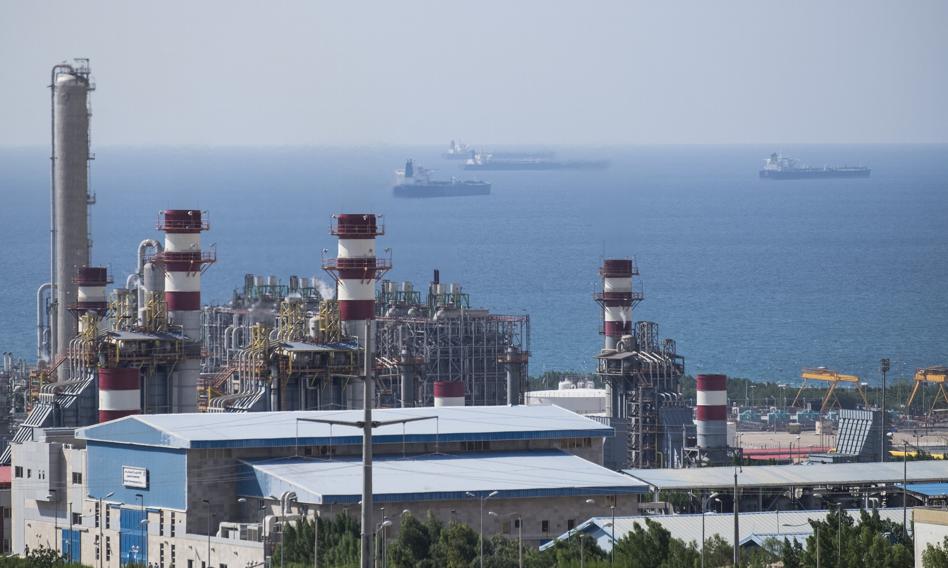
>_ South Pars Gas Field
Organizacja // Entity_Profile
Organizacja // Entity_Profile
[DATA] The South Pars/North Dome gas field is the world's largest natural gas condensate field, shared between Iran and Qatar in the Persian Gulf, with estimated reserves of 1,800 trillion cubic feet of natural gas.
[METRICS] Encja posiada 1 wzmianek w bazie oraz 1 powiązanych artykułów. Trust Score: 50/100.
Wersja statyczna dla wyszukiwarek. Pełna wersja interaktywna z grafiką dostępna po włączeniu JavaScript.